
Terry’s Bio
Terry Fisher is an award-winning educator, retired principal, and trusted professional speaker who has spent his career championing resilience, trust, and authentic leadership. Surviving a childhood marked by trauma, abuse, neglect, and the loss of a parent, Terry transformed adversity into strength — building a life and career grounded in purpose and empathy.
Across decades in education, Terry earned recognition for his innovative leadership, student-centred philosophy, and ability to cultivate trust within school communities. Today, as a professional speaker with six years of experience, he shares his journey with audiences across Australia, blending raw honesty with a wicked sense of humour and deep insight into the human spirit.
Terry’s keynotes inspire audiences to find courage in vulnerability, hope in hardship, and strength in connection — reminding us all that while our past shapes us, it never has to define us. He loves the work he does and is driven by the belief that others can grow from the lessons he’s learned. Through heartfelt storytelling and practical, hard-won insights, Terry shares the keys to building resilience and trust, helping people overcome trauma and repair the hurt that pain leaves behind.
Terry is a retired principal and educator and a life member of the NSW Primary Principals’ Association.
In his life, he has survived trauma, abandonment, neglect, physical violence, poverty and the tragic loss of a parent when very young, all the time coping with his sexual orientation.
Hindsight is 20/20 vision. That’s why I have created The Gender Agenda, a serious yet light-hearted interactive lecture on issues that face kids today.
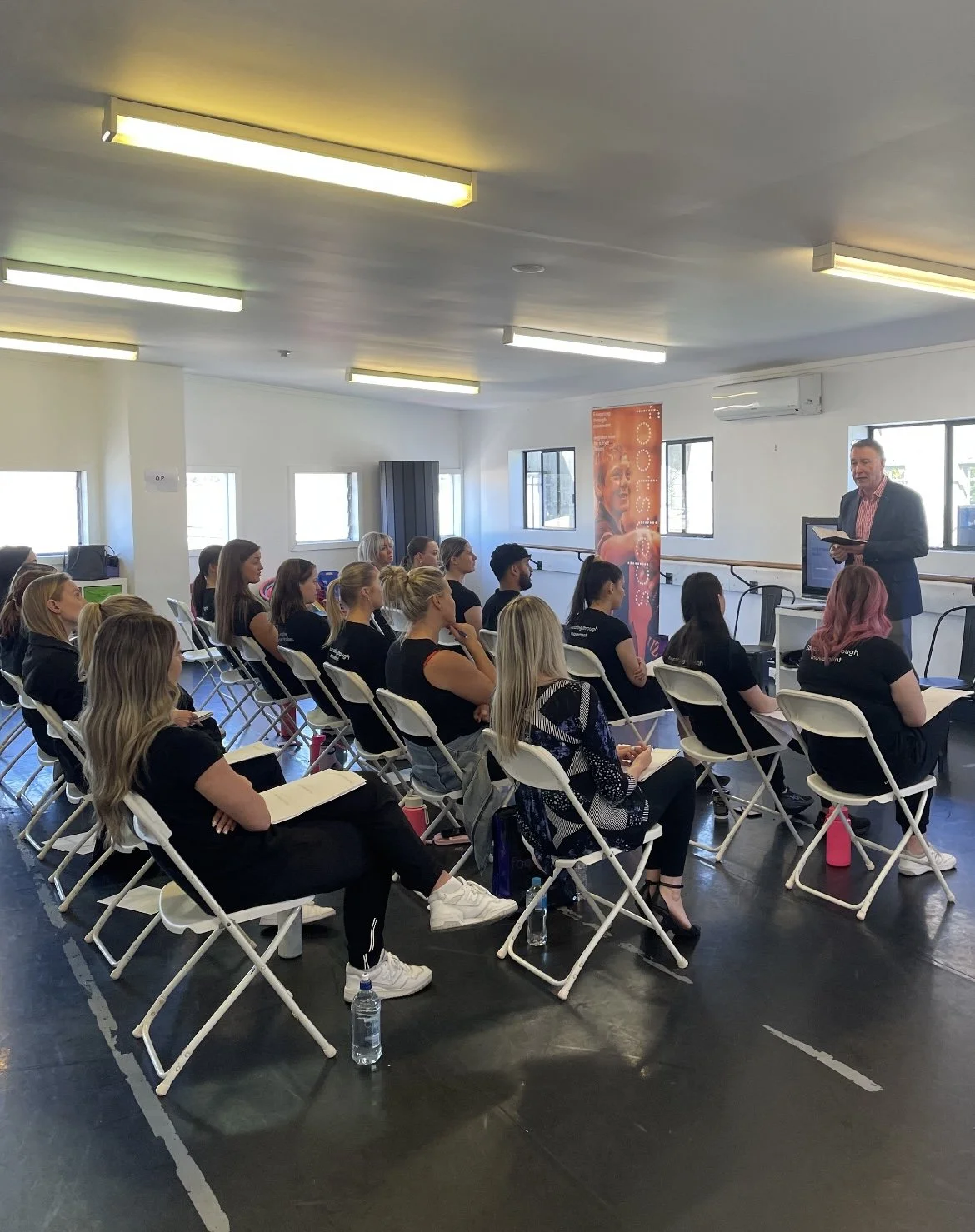
Terry talks are about?
The Gender Agenda
Pressure to fit into traditional gender roles:
Impact: Low self-esteem, frustration, and a feeling of not belonging.
Confusion Between Biological Sex, Gender Identity & Expression.
Impact: Anxiety, fear of being misunderstood, uncertainty
Stereotypes Reinforced by Social Media.
Impact: Body image issues, comparison, and pressure to change themselves.
Bullying, Teasing & Social Exclusion
Impact: Stress, depression, and a higher risk of disengaging from school.
Fear of Being Judged for Trying New Identities
Impact: Hiding how they genuinely feel.
Pressure on boys and girls to be stereotypically perfect.
Impact: Bottled-up feelings, acting out, social isolation, body dissatisfaction, fear of failure.
Lack of Safe Adults to Talk To
Impact: Teens make big decisions alone or stay silent.
Cultural or Family Expectation
Impact: Conflict at home, secrecy and stress.
Today’s teenagers are navigating:
Big expectations
Strong stereotypes
Social media pressure
Confusion and fear around identity
A desire to be accepted, balanced with a fear of judgment
Resilience & Trust in Today’s Society
Let’s focus on trust and resilience in today's society, especially amid a changing world and the prevalence of fake news. Let’s do this by sharing my personal experiences and anecdotes, which will make the message more relatable and authentic. (See Bio)
Understanding the Significance of Trust: Let’s highlight the impact of trust on relationships, businesses, and communities, and how it is both personal and professional.
BuildingTrust: Let’s discover the principles of building trust, such as honesty, reliability, and consistency and share real-life examples and success stories that demonstrate how trust can be established.
Trust in a Digital Age: Let’s address the challenges of maintaining trust amid social media and fake news.
RestoringTrust: Trust can be broken, but it can be rebuilt. Let us share strategies for apologising, making amends, and regaining confidence after a breach.
Building Resilience: Building resilience isn’t about being “tough” or pretending hardship doesn’t hurt. It’s about developing the internal and external supports that help you recover, adapt, and grow after difficult experiences.
Understanding Your Story: Resilience begins with awareness. You can’t change what you don’t recognise.
Personal Stories: And I do all this by sharing my personal experiences and anecdotes, and what has happened in my life to make the message more relatable and authentic.